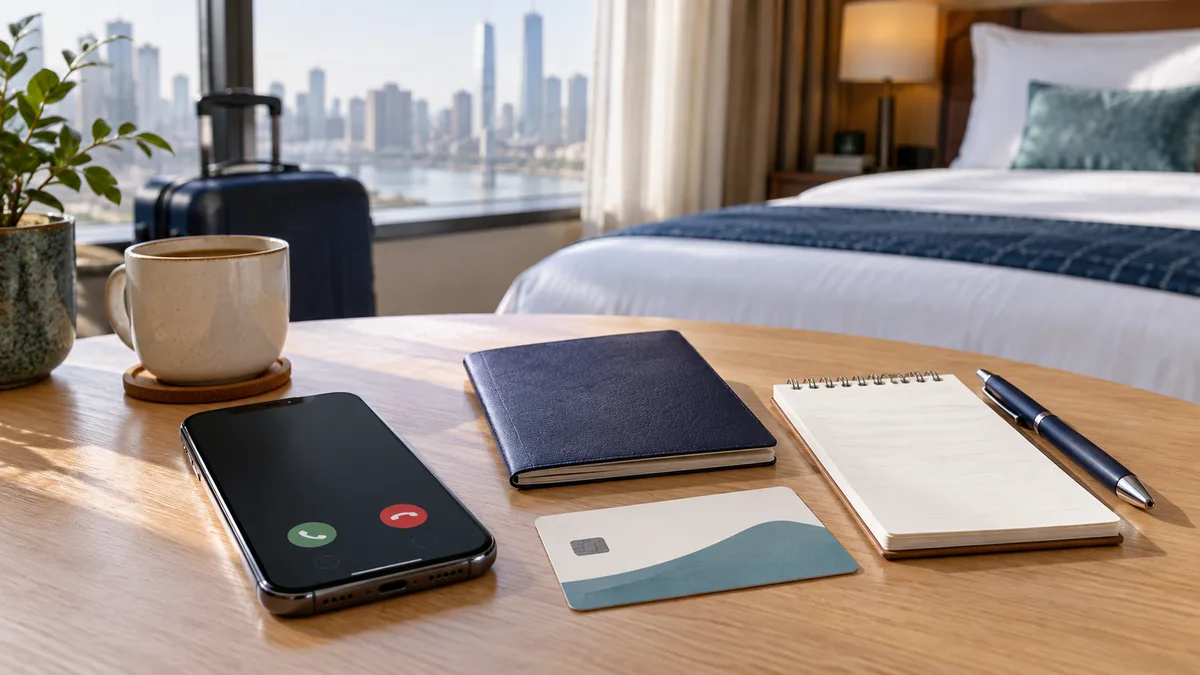
If you become ill or injured while traveling in mainland China, the first task is to find appropriate help—not to guess a diagnosis from a travel article. For urgent medical assistance, call 120 and ask for an ambulance. Do not delay urgent help to gather documents or contact your insurer. For a non-emergency, contact your travel insurer’s assistance team or a local medical facility to ask where you can be seen, whether an appointment is needed, and what language support is available. Keep your passport, insurance details, medication list, and a way to pay with you.
Quick answer: Call 120 if you need urgent medical help. Otherwise, ask your insurer or a medical facility which clinic or hospital can see you and how to register. A pharmacy may help with a familiar, minor need, but it cannot replace a medical assessment when symptoms are concerning, persistent, or unclear. Confirm fees, payment methods, and insurance arrangements with the actual provider; none is guaranteed nationwide.
This is a travel-logistics guide, not a symptom checker or medical advice. If you are uncertain how serious a condition is, seek advice from a qualified clinician or local emergency service rather than relying on this page.
Where to Start
Urgent medical help: Call 120. Give your location and follow the dispatcher’s instructions. Ask hotel staff or someone nearby to help explain the address if needed.
A non-emergency medical assessment: Call your insurer’s assistance number, or contact a clinic or hospital directly. Ask about the relevant department, appointments, language help, and payment before traveling there.
A familiar over-the-counter item: Visit a licensed pharmacy and show the pharmacist the product name, active ingredient, or packaging. Ask a clinician or pharmacist before taking an unfamiliar medicine, especially if you have allergies, take other medication, or are pregnant.
Do not use this guide to decide that a particular symptom is harmless. A hotel can help with directions or a phone call, but it is not a medical triage service.
Finding a Clinic or Hospital
China has public hospitals, international clinics, and international or VIP services within some hospitals. They are not interchangeable, and English-language support varies by facility. The UK’s travel guidance says some large hospitals offer English-speaking staff, sometimes for an additional fee, but this is not universal. It also publishes a list of medical facilities in China as a starting point, not an endorsement or guarantee of current services.
For a non-emergency visit, ask the facility:
- Can it assess the problem you describe, and which department should you use?
- Is it open now, and do you need an appointment?
- Can it provide English-language assistance or arrange an interpreter?
- Can you register with a foreign passport?
- Which payment methods are accepted, and is an advance payment required?
- Does it work with your insurer for this visit, or will you pay and claim later?
Check the exact address and entrance before leaving. A map listing, hotel recommendation, or insurer directory does not establish that a particular doctor, service, or direct-billing arrangement is available today. For directions, set up a China navigation app and save the facility’s name and address in Chinese.
What to Expect at a Public Hospital
The process differs by hospital and department. For a non-urgent walk-in, the UK government’s China medical guide describes a possible sequence: make an appointment if required, register at reception, pay a registration fee, wait for the consultation, then pay for any tests or prescribed medicine. You may need to return for tests that cannot be completed that day. Ask staff to explain the next step rather than assuming every hospital follows one queue.
Bring your passport, a phone with the facility’s Chinese name and address, your insurance policy number and assistance contact, and a list of medicines, allergies, and relevant medical history. If you have a companion who can interpret, ask whether the facility allows them to help. A translation app can assist with directions and basic questions; it should not be your only method for understanding a diagnosis, procedure, or consent form. See our translation-app guide for preparation before the trip.
Useful phrases to show a staff member:
- 请帮我叫救护车。 — Please help me call an ambulance.
- 我需要看医生。 — I need to see a doctor.
- 请问在哪里挂号? — Where do I register?
- 请问可以提供费用明细和发票吗? — Could you provide an itemized bill and invoice?
- 请问可以提供病历资料的复印件吗? — Could you provide a copy of my medical records?
These phrases help with logistics, not clinical translation. Ask whether a qualified interpreter is available when accurate medical communication matters.
Payment, Insurance, and Records
Medical care is not free for visitors. Hospitals may ask for payment or a deposit even if you hold travel insurance. International bank cards are not accepted everywhere; some facilities accept local mobile payments, and arrangements vary. Before a non-emergency visit, ask both the facility and your insurer what you may need to pay yourself. Keep a backup payment method; our China payment guide explains the available options without assuming one will work at every counter.
For urgent care, seek help first and contact the insurer as soon as practicable. For other care, ask the insurer whether it wants you to use a particular provider or obtain authorization. Direct billing is possible only when the insurer and provider confirm it for your case; an insurance card alone does not promise a cashless visit.
Before leaving a facility, ask for the documents your policy requires. Common records to request include an itemized bill, payment receipts, a diagnosis or medical report, test results, and prescriptions. Photograph or scan the papers while keeping the originals. The claim deadline and exact evidence requirements come from your own policy, not a general 30-, 60-, or 90-day rule. For policy selection and claims preparation, use our separate travel insurance guide for China.
Medication and Pharmacies
Do not assume a brand or prescription you use at home will be available under the same name in China. If you need a continuing prescription, ask a clinician about local availability and what documentation is needed; a Chinese provider may want to assess you before prescribing it. For medicines you bring into China, keep them in original packaging with your prescription and check any restrictions with the relevant Chinese embassy or consulate before travel.
At a pharmacy, show the active ingredient or a photo of your usual package and tell the pharmacist about allergies and other medicines. Check the label and instructions before taking anything. This guide deliberately does not recommend doses, diagnose symptoms, or present a list of medicines as universally safe.
Save These Details Before You Need Them
Store your insurer’s assistance number, policy number, hotel address in Chinese, and any essential medical information somewhere you can access offline and keep secure. Know where your passport is. Share relevant contact details with a travel companion if you are comfortable doing so. Add them to your first-72-hours travel plan so a dead phone or weak connection does not leave you without an address or contact number.
Official Sources and Last Verified
Official guidance checked October 28, 2026:
- UK government: China health advice — 120 ambulance number, insurance, medication cautions.
- UK government: Medical treatment in China — facility and language variability, possible hospital process, payment and deposits.
- UK government: List of medical facilities in China — a starting point for finding providers, not an endorsement.
- U.S. Department of State: China travel information — emergency contact, medical payment, and prescription-medication precautions.
Facility services, prices, payment methods, and insurance terms can change. Confirm them directly at the time of care. This article does not provide personalized medical, legal, or insurance advice.